
Passive Fire Protection · Porter, TX · Texas & Gulf Coast · Nationwide Mobilization
Intumescent Fireproofing Services
Passive fire protection for structural steel in industrial facilities — intumescent and cementitious systems applied to spec, so your structures hold their integrity when it matters most.
Request a Quote (281) 900-5779What Is Intumescent Fireproofing?
Coatings That Expand to Protect When Fire Strikes
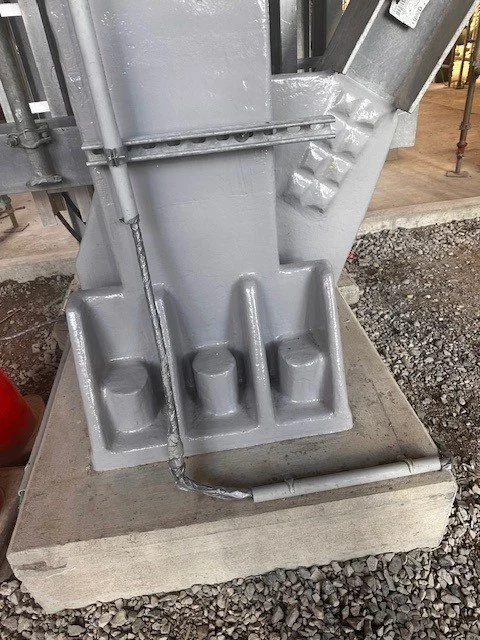
Intumescent fireproofing is a passive fire protection coating that expands when exposed to high temperatures, forming a thick insulating char layer that shields structural steel from heat — preserving structural integrity long enough for safe evacuation and effective firefighting.
Under normal conditions, an intumescent coating looks and performs like a thin, durable industrial finish. In a fire, its chemistry activates: binders (epoxy, acrylic, or silicone), flame retardants, and blowing agents react to swell the coating many times its applied thickness, insulating the steel beneath from the temperatures that cause structural failure.
Allied Industrial Services applies intumescent and cementitious fireproofing systems to structural steel across petrochemical, power, and industrial facilities — helping owners meet NFPA standards, ASTM requirements, and facility fire codes while protecting personnel and critical assets. Every application is executed with certified applicators and the project-management discipline Allied brings to all of its coating work.
Our Capabilities
Fireproofing Services
Intumescent Coating Application
Thin-film and high-build intumescent systems applied to structural steel — delivering fire ratings without the bulk, weight, or profile of traditional fireproofing.
Cementitious Fireproofing
Spray-applied cementitious systems for tank supports, piping, and structural members where dense, durable thermal protection is the right fit for the exposure.
Surface Preparation
Abrasive blasting and surface prep to SSPC/NACE guidelines before application — because fireproofing performance starts with adhesion, and adhesion starts with prep.
Code Compliance Support
Systems specified and applied to help your facility meet NFPA standards, ASTM requirements, and local fire codes — with the documentation owners and inspectors expect.
High-Hazard Environments
Fireproofing for petrochemical, refining, and energy settings — including high-temperature and load-bearing applications where passive protection is mission-critical.
Inspection & Maintenance
Assessment, touch-up, and recoating of existing fireproofing to keep protection intact and compliant over the life of the structure.
How It Works
Our Fireproofing Process
Evaluate & Specify
We review your structures, exposures, and code requirements to select the right system — intumescent or cementitious.
Prepare
Surfaces are blasted and prepared to SSPC/NACE guidelines so the system bonds and performs as rated.
Apply
Certified applicators install the system to the manufacturer's specification and required thickness.
Verify
Film thickness and application quality are checked against spec before the work is signed off.
Document & Maintain
You receive application documentation, with inspection and maintenance available to keep ratings intact.
Where We Work
Fireproofing Across Industrial Sectors
From refinery structural steel to tank supports at dry bulk facilities and battery storage sites, Allied applies passive fire protection wherever combustible exposure meets load-bearing steel.
Common Questions
Fireproofing FAQs
How does intumescent fireproofing work?
At normal temperatures, an intumescent coating performs like a standard industrial finish. When exposed to fire, its binders, flame retardants, and blowing agents react — expanding the coating into a thick, insulating char layer that slows heat transfer to the steel beneath. That delay preserves structural integrity, buying time for safe evacuation and firefighting.
What's the difference between intumescent and cementitious fireproofing?
Intumescent coatings are thin-film systems that expand under fire exposure — ideal where appearance, weight, or profile matter. Cementitious fireproofing is a dense, spray-applied material that insulates by mass — often the practical choice for tank supports, piping, and utility structures. Allied applies both and recommends the system that fits your exposure, spec, and budget.
Where is fireproofing required in industrial facilities?
Fire codes and standards such as NFPA typically require passive fire protection on load-bearing structural steel in high-hazard areas — process structures in refineries and chemical plants, tank and pipe supports near combustible materials, and equipment critical to safe shutdown. A site review determines exactly which members need protection at your facility.
Can fireproofing be applied in an operating facility?
Yes. With proper containment, scheduling, and coordination with your plant team, Allied routinely applies fireproofing in operating environments — sequencing the work around your processes to minimize disruption.
How long does intumescent fireproofing last?
Properly applied and maintained intumescent systems protect for many years. Longevity depends on the product, exposure, and upkeep — which is why Allied offers inspection, touch-up, and recoating services to keep your passive fire protection performing and compliant over the life of the structure.
Porter, TX · Houston · Texas & Gulf Coast · Nationwide Mobilization
Give Your Steel Time to Stand
Tell us about your structures and fire protection requirements — we'll recommend the right system and deliver it safely, on schedule, and to spec.
Request a QuoteOr call (281) 900-5779

